Pulling Power to Shore: What Makes Offshore Wind Cable Installation Succeed?
Inside the process, pitfalls, and precision behind subsea cable pull-ins
Offshore wind power starts far from land—but without a flawless cable installation, the clean energy it generates never makes it ashore. That’s why subsea cable pull-ins are one of the most critical (and complex) stages in any offshore wind project.
At Poseidon Cables, we specialize in the full lifecycle of cable pull-in operations—from beach landing to offshore termination. In this article, we’ll walk through what makes a successful pull-in, the common risks, and how our approach sets projects up for long-term performance.
⚙️ What Is a Cable Pull-In?
A cable pull-in is the process of installing a subsea power cable into an offshore structure—such as a wind turbine, offshore substation, or J-tube—and securing it for testing, termination, and long-term operation.
There are two main types:
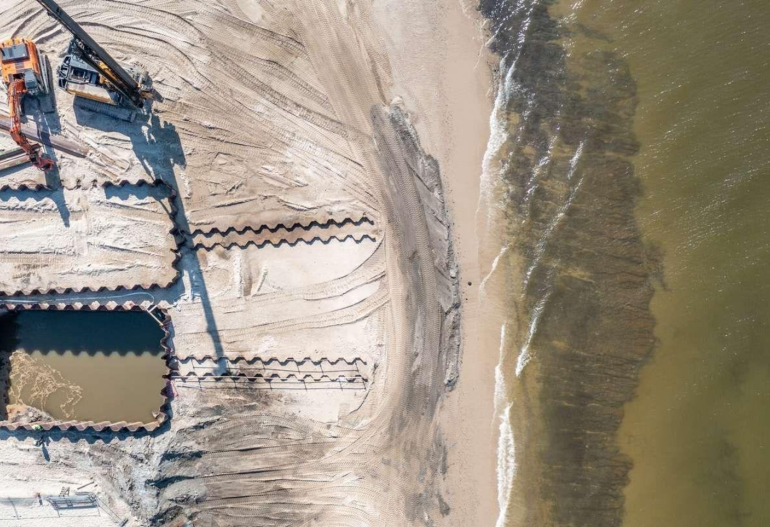
- Nearshore pull-ins (at landfall, connecting offshore power to the onshore grid)
- Offshore pull-ins (connecting wind turbines to each other or to export substations)
Both require detailed planning, exact timing, and deep offshore experience.
🔍 Key Factors That Drive Pull-In Success
1. Pre-Project Planning
A successful pull-in starts long before offshore execution. The right team will:
- Review route engineering and installation specs
- Confirm cable and structural compatibility
- Build pre-rigging and winch plans based on site-specific conditions
At Poseidon, we engage with clients early—so nothing is left to chance once we’re offshore.
2. Precision Execution Offshore
Cable damage, misalignment, or excessive tension can compromise an entire system. That’s why we use:
- Low-tension, battery-powered winches
- Lightweight Dyneema® pull-in lines
- Custom rigging plans tailored to each location
These tools help protect the cable, reduce vessel time, and keep offshore operations clean and quiet.
3. Safety and Simplicity
Offshore environments are dynamic, remote, and risky. Poseidon’s systems eliminate many traditional hazards:
- No diesel fuel = no emissions, no spills
- No hydraulic power = no leaks, no pressurized fluids
- Minimal rigging = reduced lifting incidents
Simpler systems mean safer, faster pull-ins—with less time at sea.
4. Skilled, Continuity-Based Crews
Every Poseidon team is handpicked and highly trained—with many crew members working together across multiple projects. That continuity translates to speed, trust, and better results offshore.
🌊 Poseidon’s Pull-In Capabilities Include:
- Nearshore & Offshore Cable Pull-Ins
- Pre-Rigging & Engineering Review
- Winch & Equipment Mobilization
- Cable Termination & Testing Support
- Project Management & Marine Coordination
Let’s Bring Your Power to Shore
Whether you’re installing your first array or connecting your 100th turbine, Poseidon Cables has the people, processes, and tools to make it happen smoothly.
👉 Start Your Next Project with Confidence.
[Reach out to our team] and let’s discuss how Poseidon can support your offshore cable pull-in needs—start to finish.